ニュース

/ ニュース / One Rod or Two? The 25-Ohm Rule That Actually Decides Your 200A Grounding

One Rod or Two? The 25-Ohm Rule That Actually Decides Your 200A Grounding

Service Grounding · NEC Reference

The rod count on the print rarely matches what actually gets installed in the ground.

Short answer: a 200 amp service needs at least one grounding rod, but code requires a second rod, spaced a minimum of six feet from the first, whenever a single rod tests above 25 ohms of resistance to earth. In practice, most residential and commercial 200A installations end up with two rods, because a lone rod rarely tests low enough on its own to satisfy that threshold.

Grounding rod count is one of the more commonly misunderstood parts of a 200 amp service installation. Some electricians drive one rod and move on; others drive two as a matter of habit. Neither approach is wrong on its own, but only one of them reliably satisfies the code requirement — and the difference comes down to a resistance test most contractors skip. The sections below walk through what actually determines rod count, how rods compare with other grounding electrode options, and what tends to fail inspection.

25 ohms

Maximum resistance-to-earth a single ground rod must test at to be code-compliant on its own.

6 ft min

Minimum required spacing between two ground rods when a second rod is installed.

8 ft deep

Standard driven depth for a single ground rod, unless rock or obstruction requires an alternate method.

The core ruleOne Rod vs Two Rods: What Actually Determines the Number Required

The National Electrical Code doesn't set a fixed rod count for a given service size — it sets a performance target instead. Under NEC 250.53(A)(2), a single rod electrode is acceptable only if it tests at 25 ohms of resistance to earth or less. If it doesn't, a second rod must be added, spaced at least six feet from the first. That single distinction is why "how many rods for 200A service" doesn't have a universal number — it has a universal test.

Code MinimumSingle Rod System

  • Legal only if measured resistance is 25 ohms or less
  • Most likely to pass in moist clay or loam soil
  • Rarely passes in sandy, rocky, or dry soil conditions
  • Requires a documented resistance test to prove compliance

Common PracticeTwo Rod System

  • Automatically satisfies 250.53(A)(2) without a resistance test
  • Standard default on most 200A residential and light commercial jobs
  • Rods spaced a minimum of 6 feet apart, driven to matching depth
  • More resilient across seasonal soil moisture changes

Because testing resistance in the field takes extra equipment and time, many contractors simply install two rods by default rather than gamble on a single rod passing. It's not a code requirement to skip testing — it's a practical shortcut that avoids a callback if the first rod fails.

Why testing mattersWhy a Single Ground Rod Almost Never Passes on Its Own

Soil composition drives resistance far more than rod quality or installation technique. A single 8-foot copper-clad rod can test anywhere from under 10 ohms to well over 100 ohms depending entirely on what it's driven into.

Soil Type Typical Resistance (single rod) Likely Outcome
Wet clay or loam 5–20 ohms Often passes on one rod
Average garden soil 20–50 ohms Borderline; frequently needs a second rod
Sandy soil 50–150 ohms Almost always needs a second rod
Rocky or gravel soil 100+ ohms May need supplemental electrodes beyond rods

This is also why regional experience matters more than a fixed rule of thumb. A contractor working primarily in a river-bottom clay area may rarely need a second rod, while one working in a sandy coastal region should plan for two rods on nearly every job.

Conductor sizingSizing the Grounding Electrode Conductor for a 200A Service

Rod count isn't the only sizing question tied to a 200A disconnect. The wire connecting the electrode system back to the service equipment has its own code-mandated size, based on NEC Table 250.66 and the service conductor size feeding the disconnect.

Service Conductor Standard GEC Size Rod/Pipe/Plate Exception
2/0 copper (typical 200A) 4 AWG copper 6 AWG copper allowed for rod, pipe, or plate electrodes
4/0 aluminum (typical 200A) 2 AWG aluminum 4 AWG copper allowed for concrete-encased electrodes

That exception matters in the field: a conductor sized for a rod-only system can sometimes be one size smaller than what's required for other electrode types, which is worth double-checking before assuming a single conductor spec applies across the whole grounding system.

Beyond rodsGround Rods Compared to Other Grounding Electrodes

Rods are the most common grounding electrode, but they're not the only option NEC 250.50 allows, and combining electrode types is often more reliable than relying on rods alone.

Electrode Type Typical Resistance Best Suited For
Ground rod Variable, soil-dependent Retrofits, standalone installs, supplementing other electrodes
Metal underground water pipe Often very low Older homes with continuous metal supply lines; must be supplemented by code
Concrete-encased electrode (Ufer ground) Typically under 5 ohms New construction, where rebar is already in the footing
A concrete-encased electrode installed during a new foundation pour often outperforms two ground rods combined — which is why new construction increasingly skips the rod-count debate entirely.

Field installationSpacing, Depth, and Installation Requirements for Multiple Rods

  • Drive each rod its full length, typically 8 feet, unless rock forces an angled or trenched installation.
  • Space two rods at least 6 feet apart to avoid overlapping resistance zones that reduce combined effectiveness.
  • Bond both rods together with a continuous conductor rather than two separate home runs to the panel.
  • Keep rod tops accessible or below grade per local inspection preference, but always document their location for future service work.

Verifying complianceTesting Ground Resistance Before Calling the Job Done

A fall-of-potential or clamp-on ground resistance tester is the only reliable way to confirm a single rod meets the 25-ohm threshold. Skipping this step and assuming a single rod is sufficient is one of the more common reasons a rough-in inspection gets flagged for correction.

  • Test resistance after the rod has settled, ideally not immediately after installation in freshly disturbed soil.
  • Record the reading for the job file, since some jurisdictions require documented proof at final inspection.
  • If the reading exceeds 25 ohms, add the second rod immediately rather than scheduling a separate return trip.

Inspection failuresCommon Mistakes That Fail Inspection

  • Installing a single rod without any resistance test to confirm it meets the 25-ohm limit.
  • Spacing a second rod closer than 6 feet, which reduces its effective contribution to overall resistance.
  • Using an undersized grounding electrode conductor that doesn't match the service conductor per Table 250.66.
  • Bonding the neutral to ground at a downstream disconnect instead of only at the main service disconnect.
  • Relying on a water pipe electrode alone without the required supplemental rod or concrete-encased electrode.

おすすめ商品

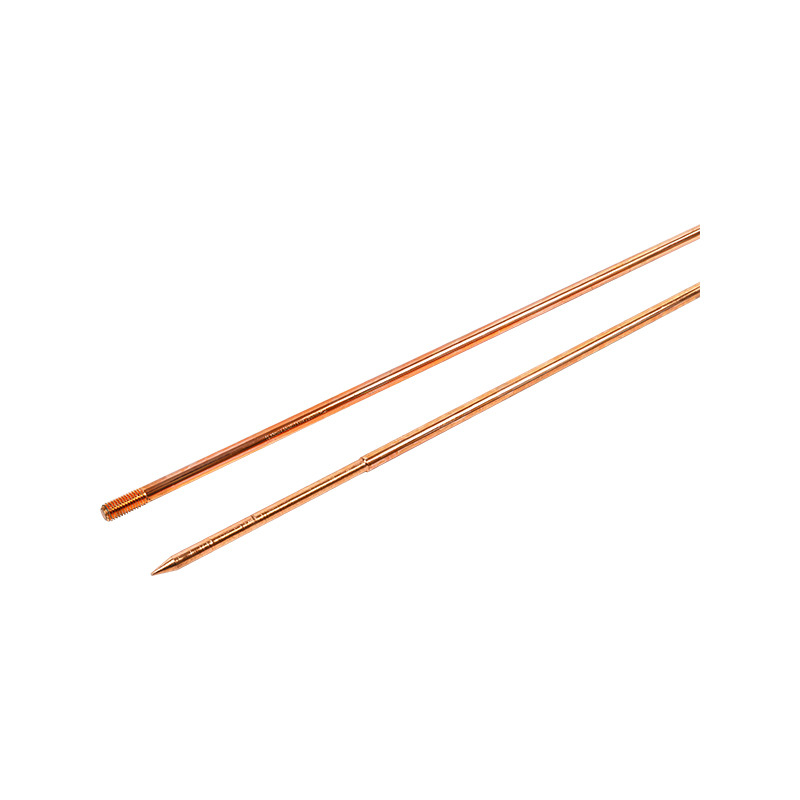
銅製の鋼製の接地棒

銅製の鋼製の接地棒

銅溶接スチール製の接地棒は、ナノアルカリプレティング技術を使用して作られています。銅と鋼の間の新しいナノスケール粒子堆積モデルが構築されています。金属堆積は、ナノスケールのアルカリ銅粒子結晶コー...

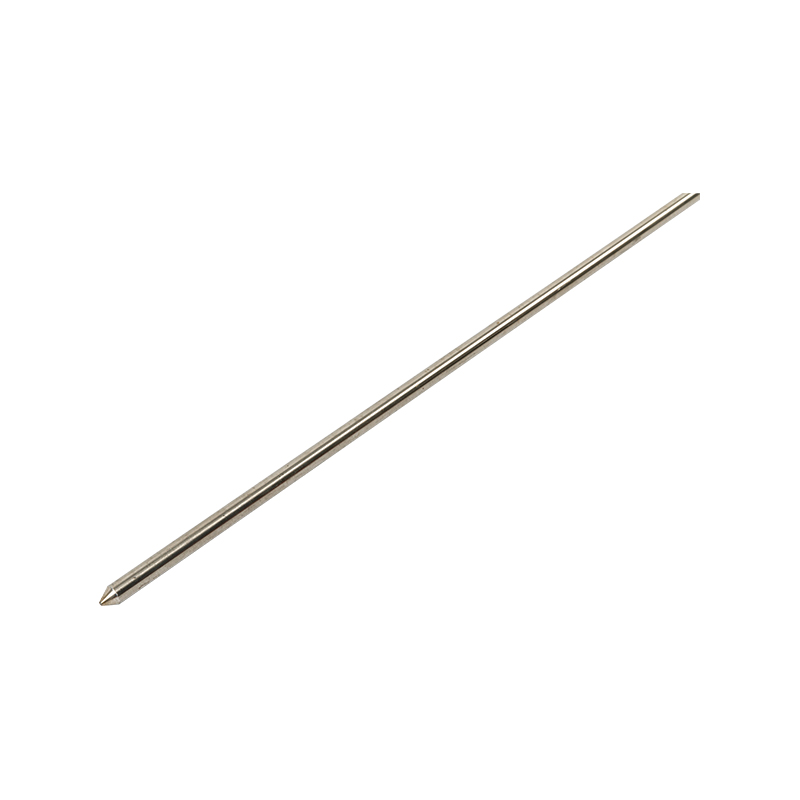
ステンレス鋼製の接地ロッド

ステンレス鋼製の接地ロッド

ステンレス鋼製の接地棒は、非常に悪い地理的環境を備えたサイトに使用される腐食防止ステンレス鋼材料で作られています。材料はSS304、316 ECT。になります。

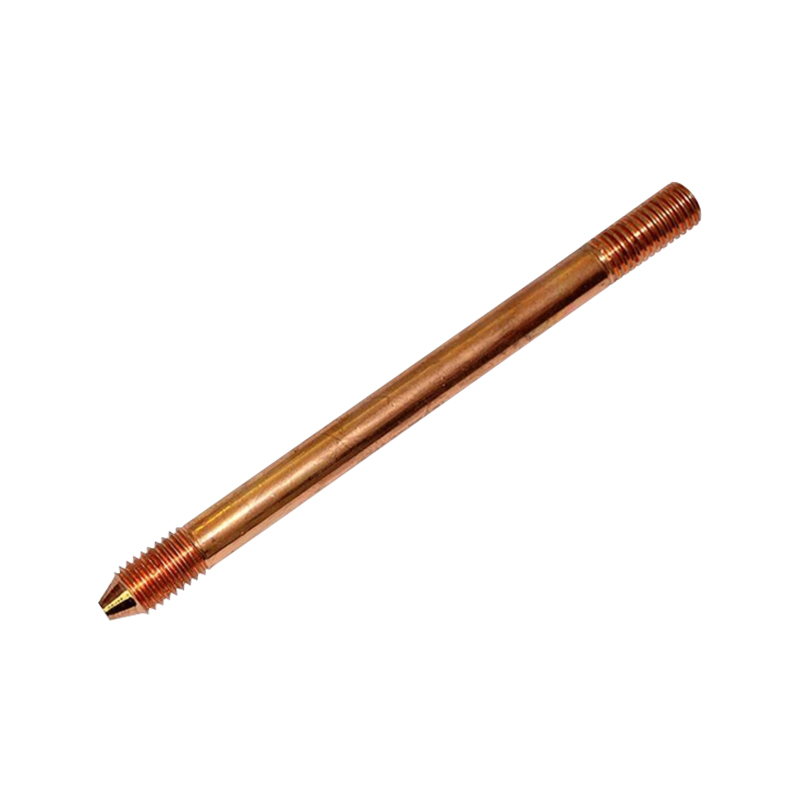
純粋な銅接地ロッド

純粋な銅接地ロッド

それぞれ20℃での銅と鋼の抵抗率は、17.24 x 10⁻⁶(ωmm)および138 x 10-6(ωmm)です。銅の導電率が100%の場合、標準1020鋼の導電率は10.8%のみであり、亜鉛メッ...

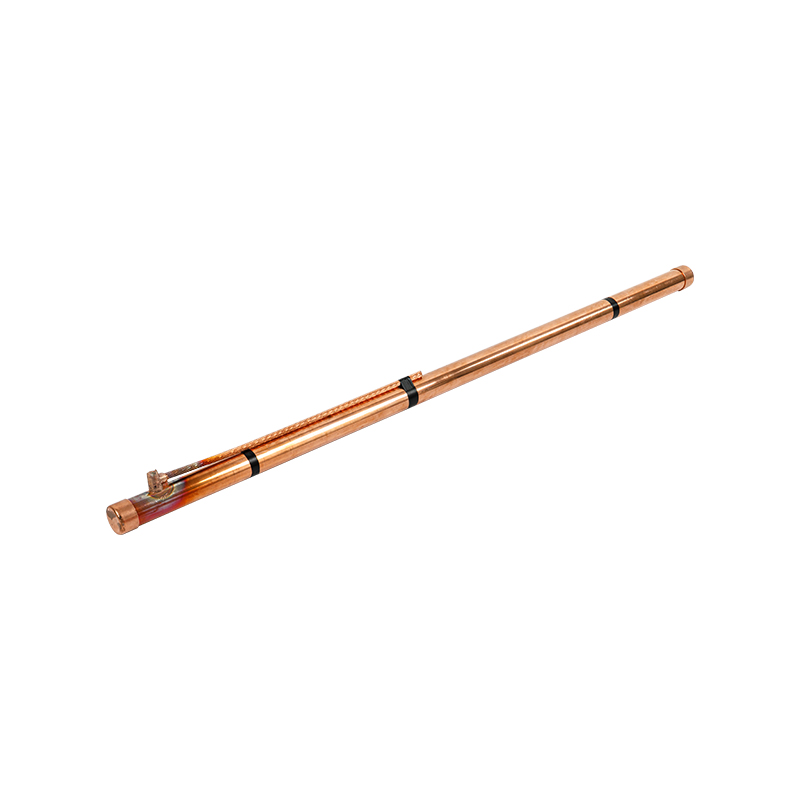
化学粉砕棒

化学粉砕棒

化学粉砕棒は、土壌抵抗率が高い場所にある効率的な接地システムです。電極は、電解塩で工場で事前に充填されており、必要に応じて塩が吸収した周囲の土壌に水を放出できます。バックフィルとしての高効率の接...

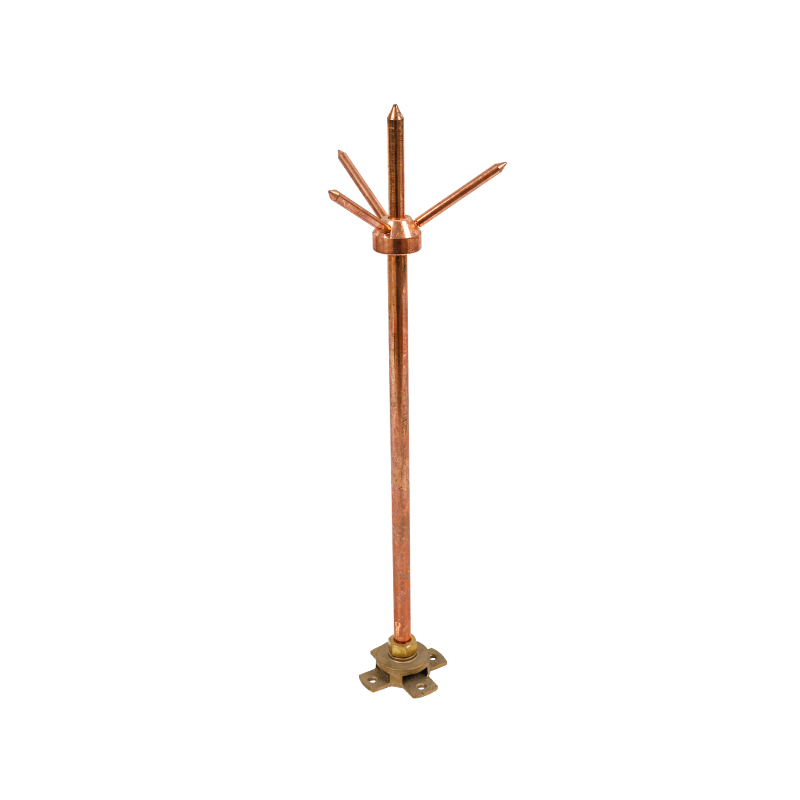
針タイプの稲妻

針タイプの稲妻

稲妻は、稲妻保護システムのストライクポイントを提供します。それらは、標高ロッドの有無にかかわらず複数のポイントの有無にかかわらず使用できます。ただし、調査では、テーパーロッドがより効果的なものを...

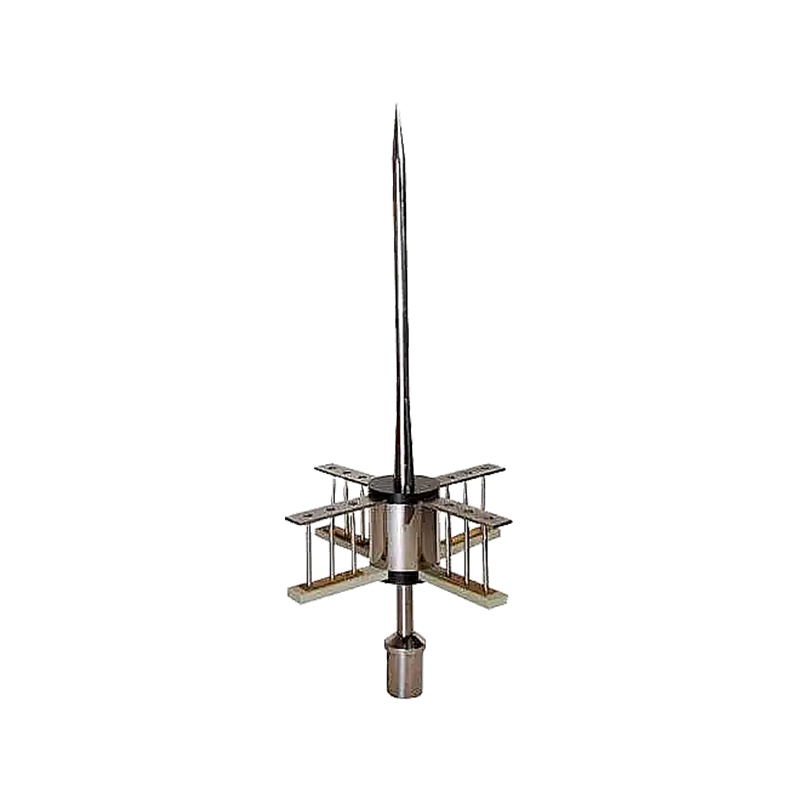
ESE LIGHTNING ROD

ESE LIGHTNING ROD

早期の汽船排出稲妻は、流通倉庫、産業工場、遊園地、ショッピングモール、スポーツアリーナ、ゴルフコース、その他の大きなエリア構造などのメガ構造に適した保護方法です。 ESEシステムは、構造と人間の...

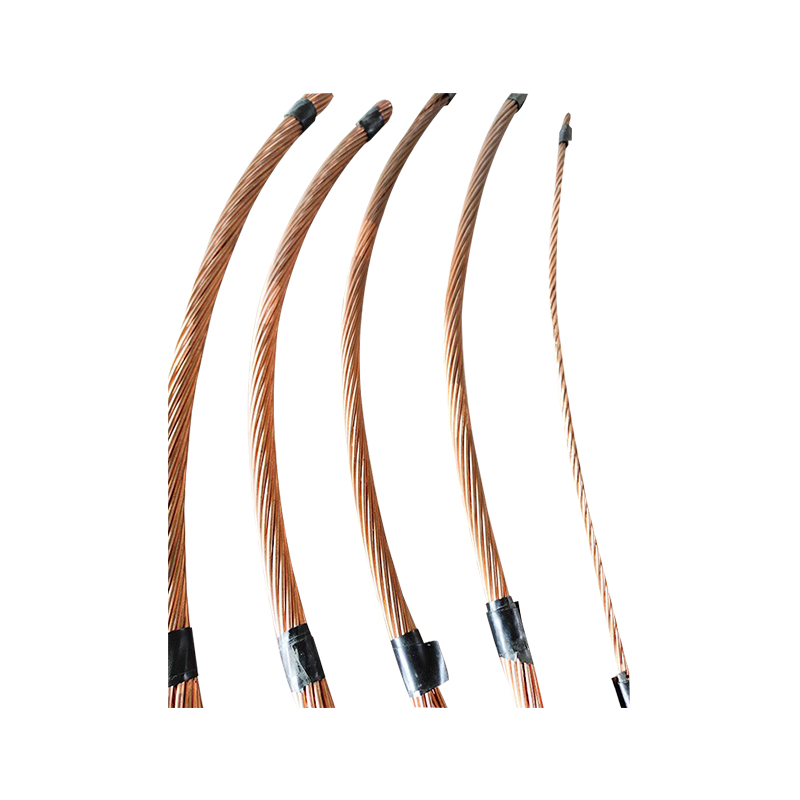
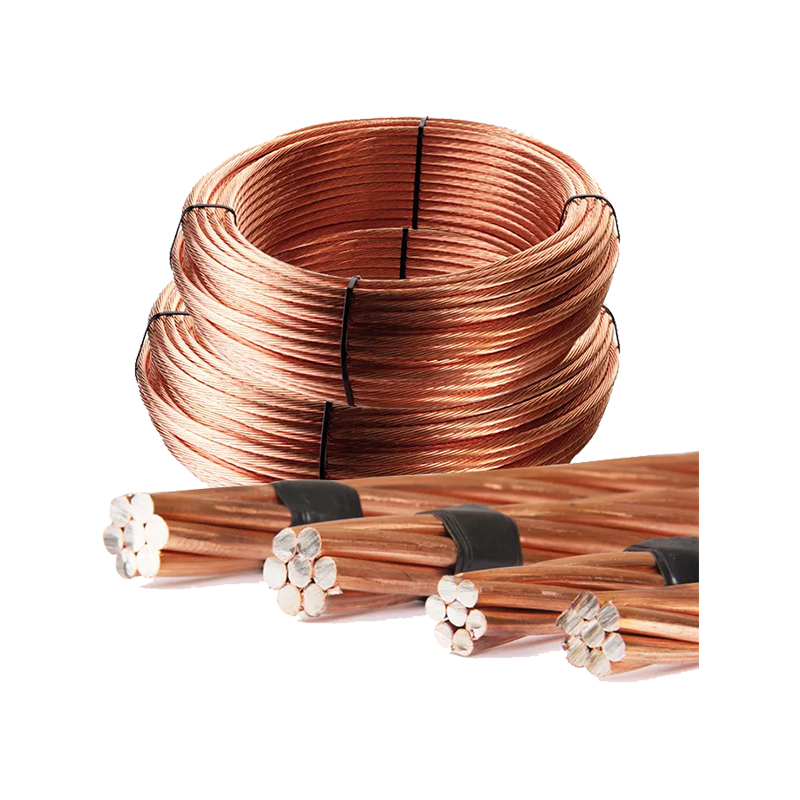
接地銅鎖ワイヤー

接地銅鎖ワイヤー

銅鎖ワイヤは、電力機器とアースシステムで使用される高純粋な銅で作られています 縛られたワイヤは、硬い銅線、柔らかい描画銅線、缶詰の銅線にリクエストにすることができます

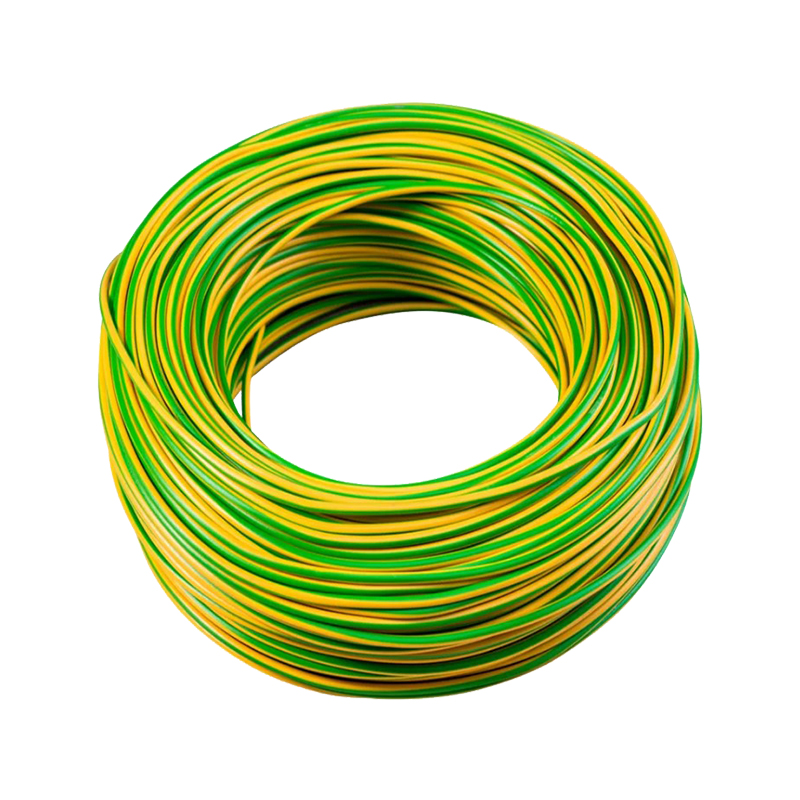
PVCアース銅鎖線

PVCアース銅鎖線

PVCアース銅鎖線は、低電圧電力システムで広く使用されている接地ワイヤです。接地ワイヤは、電気機器の接地システムで安定した安全な動作を確保するために、良好な導電率と引張強度を備えた銅鎖のワイヤ構...

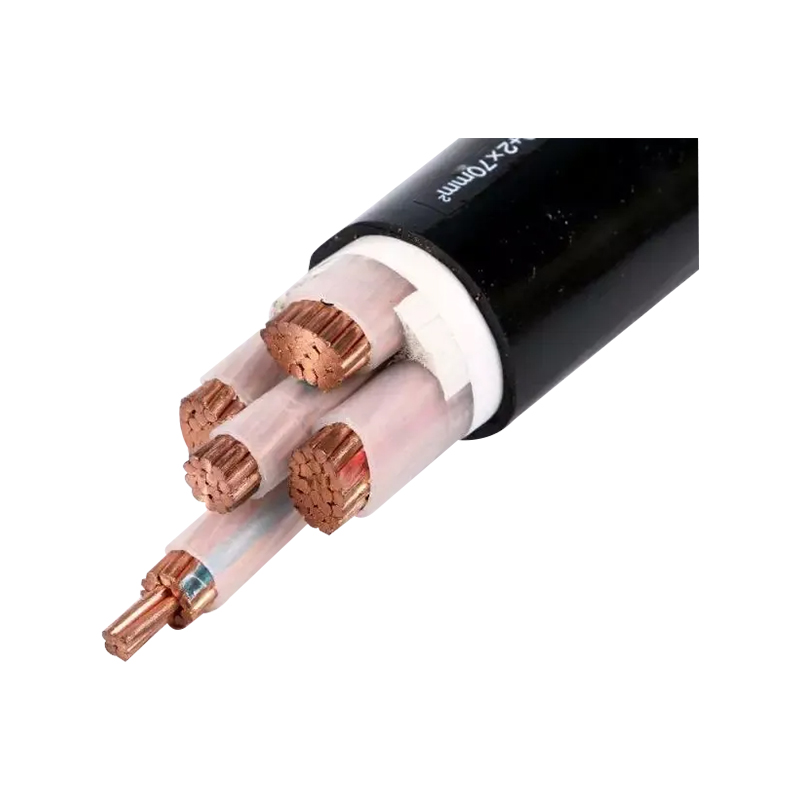
XLPE断熱PVC電気銅電源ケーブル

XLPE断熱PVC電気銅電源ケーブル

XLPEケーブルは、高度の電気強度、機械的強度、高エージング抵抗、環境ストレス抵抗、AITI化学的、腐食、および単純な構造を持ち、長期温度の便利でより高い動作を使用しています。ドロップ制限なしで...

アースCCSストランディングワイヤ

アースCCSストランディングワイヤ

銅の覆われた鋼鎖線は、多くの産業で固体銅を代用するための最良のソリューションです。銅の市場価格のボラティリティにより、すべてのユーザーが代替製品を探しています。私たちは皆、銅包装のバイメタル製品...

アースCCSラウンドワイヤー

アースCCSラウンドワイヤー

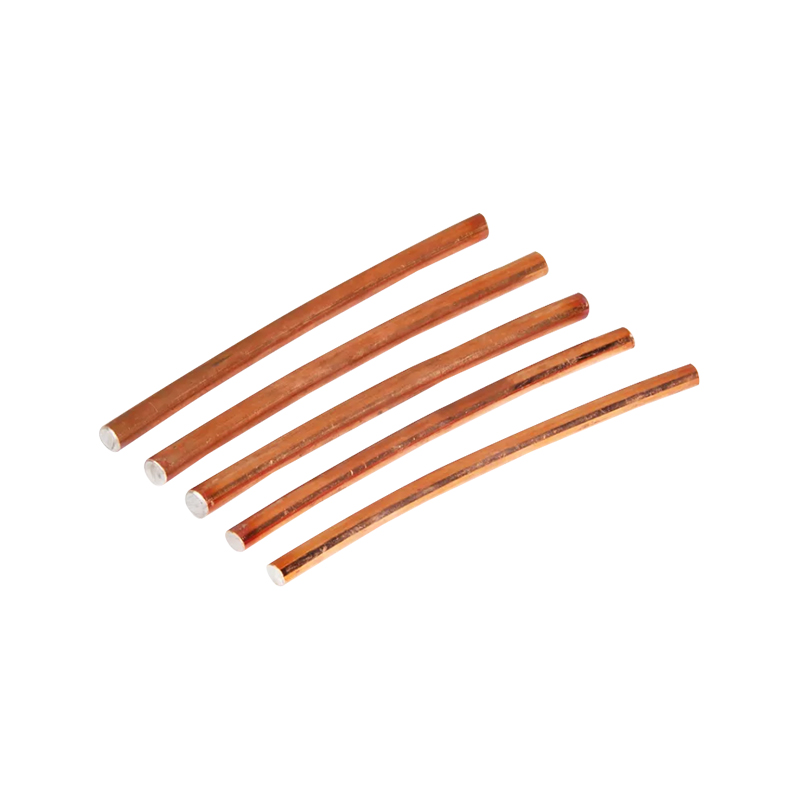
銅包み鋼の接地丸いワイヤーは、99.9%の純粋な電解銅を分子的に結合することにより、高張力低炭素鋼から製造されており、銅層と鋼コアの間に長持ちする分子結合を保証します。銅のコーティングは、駆動し...

接地銅覆われたアルミニウム材料

接地銅覆われたアルミニウム材料

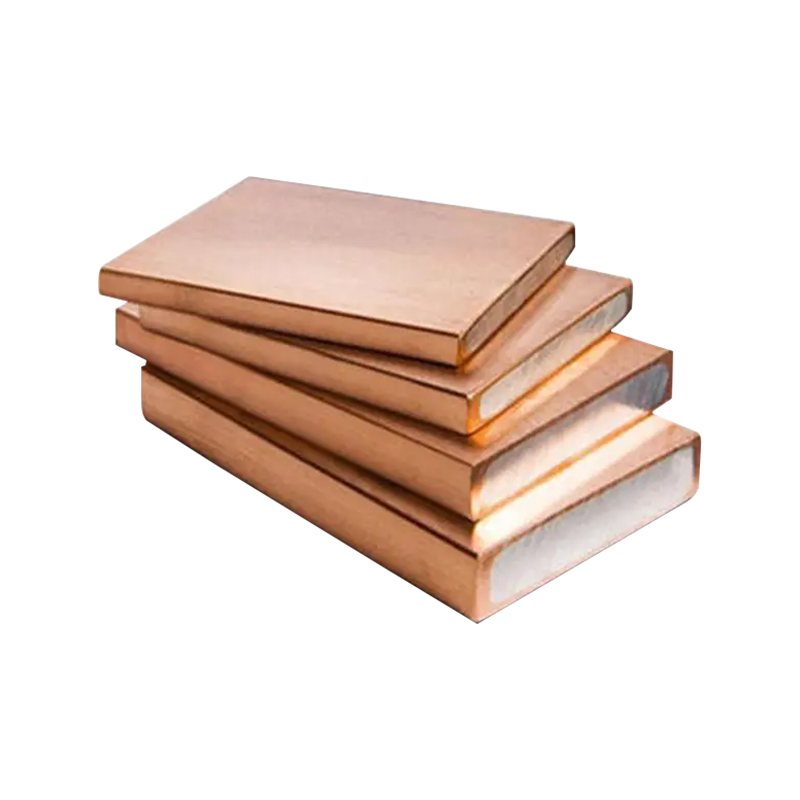
接地銅で覆われたアルミニウム材料は、銅とアルミニウムの利点を組み合わせた実用的な接地導体であり、さまざまな電気アプリケーションに適しています。銅の外層は良好な導電率を持ち、電流の効率的な伝達を確...